Search



English
Steel





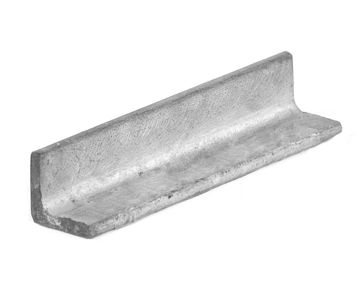
103901
A galvanized angle iron has an L-profile with a 90 degree angle. It is used to strengthen right angle joints. (Also known as an L-bracket or an angle profile.) Galvanized metal is virtually impervious to rust and has a shiny appearance.
SRD 652.00
excl. BTW
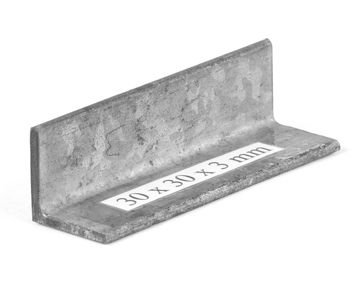
103902
A galvanized angle iron has an L-profile with a 90 degree angle. It is used to strengthen right angle joints. (Also known as an L-bracket or an angle profile.) Galvanized metal is virtually impervious to rust and has a shiny appearance.
SRD 796.00
excl. BTW
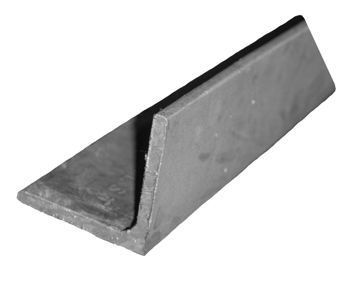
103903
A galvanized angle iron has an L-profile with a 90 degree angle. It is used to strengthen right angle joints. (Also known as an L-bracket or an angle profile.) Galvanized metal is virtually impervious to rust and has a shiny appearance.
SRD 1,340.00
excl. BTW
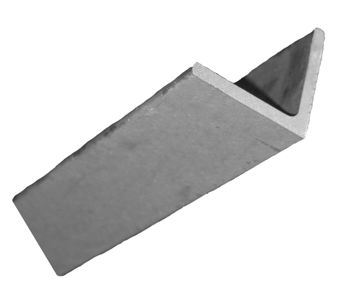
103905
A galvanized angle iron has an L-profile with a 90 degree angle. It is used to strengthen right angle joints. (Also known as an L-bracket or an angle profile.) Galvanized metal is virtually impervious to rust and has a shiny appearance.
SRD 4,532.00
excl. BTW

110124
A steel angle iron has an L-profile with an angle of 90 degrees. It is used to reinforce right angle joints. (Also known as an L-bracket or an angle profile.)
SRD 542.00
excl. BTW
110489
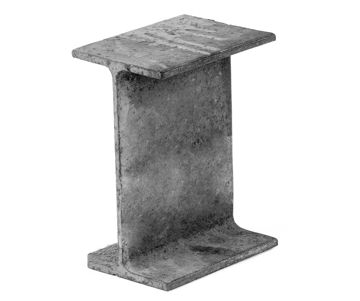
IPE Beams are structural steel section with a characteristic 'I' or 'H' shape. Sections like this are described as open profiles as they comprise parallel surface flanges connected by a central element known as a web, unlike solid or hollow rectangular sections.
SRD 85,080.00
excl. BTW
119012
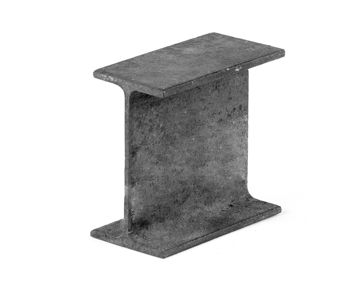
The IPE beam has short straight flanges and a high web. This ensures a lower weight than other construction beams, but it makes the I-beam less stable. This construction beam is used as a beam or as a column and can carry a significant load. An IPE beam is delivered untreated as standard, but can also be blasted or coated if desired.
SRD 76,040.00
excl. BTW
103958
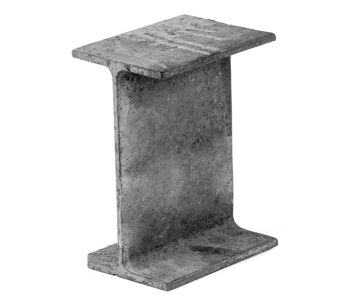
The IPE beam has short straight flanges and a high web. This ensures a lower weight than other construction beams, but it makes the I-beam less stable. This construction beam is used as a beam or as a column and can carry a significant load. An IPE beam is delivered untreated as standard, but can also be blasted or coated if desired.
SRD 5,748.80
excl. BTW
103974
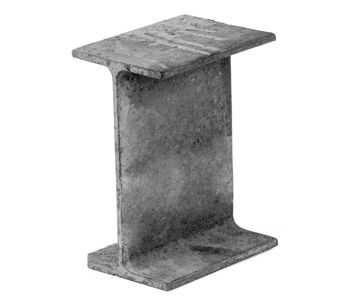
The IPE beam has short straight flanges and a high web. This ensures a lower weight than other construction beams, but it makes the I-beam less stable. This construction beam is used as a beam or as a column and can carry a significant load. An IPE beam is delivered untreated as standard, but can also be blasted or coated if desired.
SRD 28,112.00
excl. BTW
103976
The IPE beam has short straight flanges and a high web. This ensures a lower weight than other construction beams, but it makes the I-beam less stable. This construction beam is used as a beam or as a column and can carry a significant load. An IPE beam is delivered untreated as standard, but can also be blasted or coated if desired.
SRD 31,781.60
excl. BTW
103970
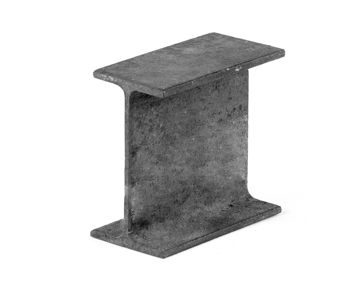
The IPE beam has short straight flanges and a high web. This ensures a lower weight than other construction beams, but it makes the I-beam less stable. This construction beam is used as a beam or as a column and can carry a significant load. An IPE beam is delivered untreated as standard, but can also be blasted or coated if desired.
SRD 19,913.20
excl. BTW
103972
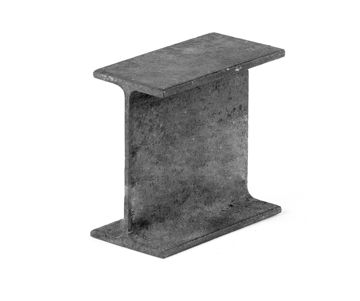
The IPE beam has short straight flanges and a high web. This ensures a lower weight than other construction beams, but it makes the I-beam less stable. This construction beam is used as a beam or as a column and can carry a significant load. An IPE beam is delivered untreated as standard, but can also be blasted or coated if desired.
SRD 23,759.60
excl. BTW




Follow Kuldipsingh